American Heart Month: Why Heart Health Matters—Especially for First Responders
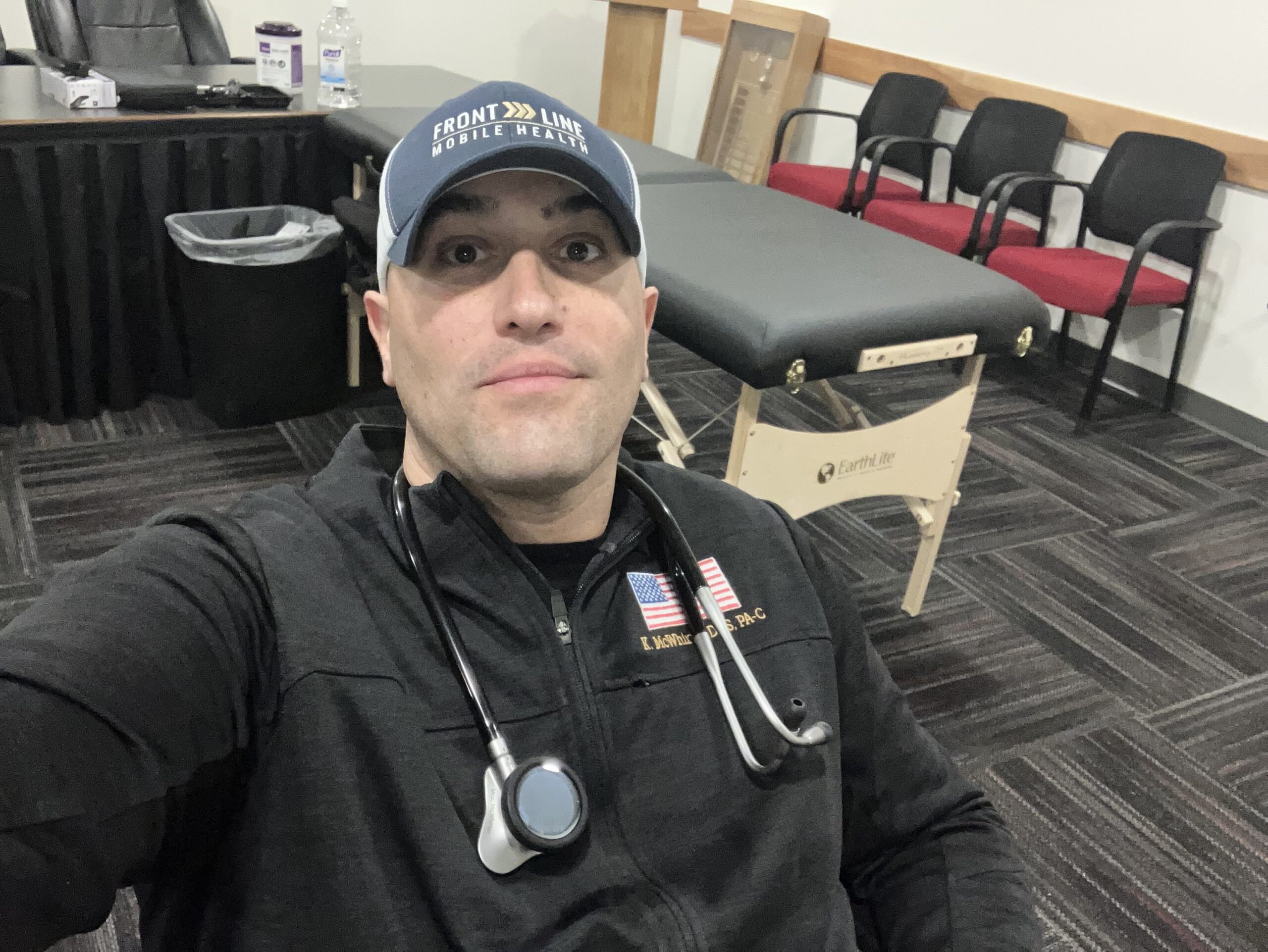
 American Heart Month is a chance to step back and focus on something we often push to the side until it becomes a problem: heart health. For first responders, this isn’t just about personal wellness—it’s about readiness, longevity, and being able to show up fully for the people who depend on us.
Physical activity has been part of my life for as long as I can remember. Growing up, I was always involved in organized youth sports—constantly moving, competing, and learning how to work as part of a team. That early exposure to fitness and discipline laid the groundwork for what came next.
When I began my freshman year at Western Colorado University, I was a scholarship football player training in a highly structured, performance-driven environment. Football emphasized deliberate preparation, accountability, and the relationship between training and operational output. After my first year, I transferred to the University of Northern Colorado and transitioned to collegiate rugby, a sport characterized by sustained cardiovascular demand and repeated high-intensity efforts under fatigue. Rugby required a high level of aerobic capacity, efficient recovery, and the ability to maintain performance despite cumulative physiological stress. That experience reinforced a principle directly applicable to firefighters and tactical athletes: cardiovascular and pulmonary capacity are not just performance enhancers—they are critical determinants of resilience, durability, and safe function in high-stress operational environments.
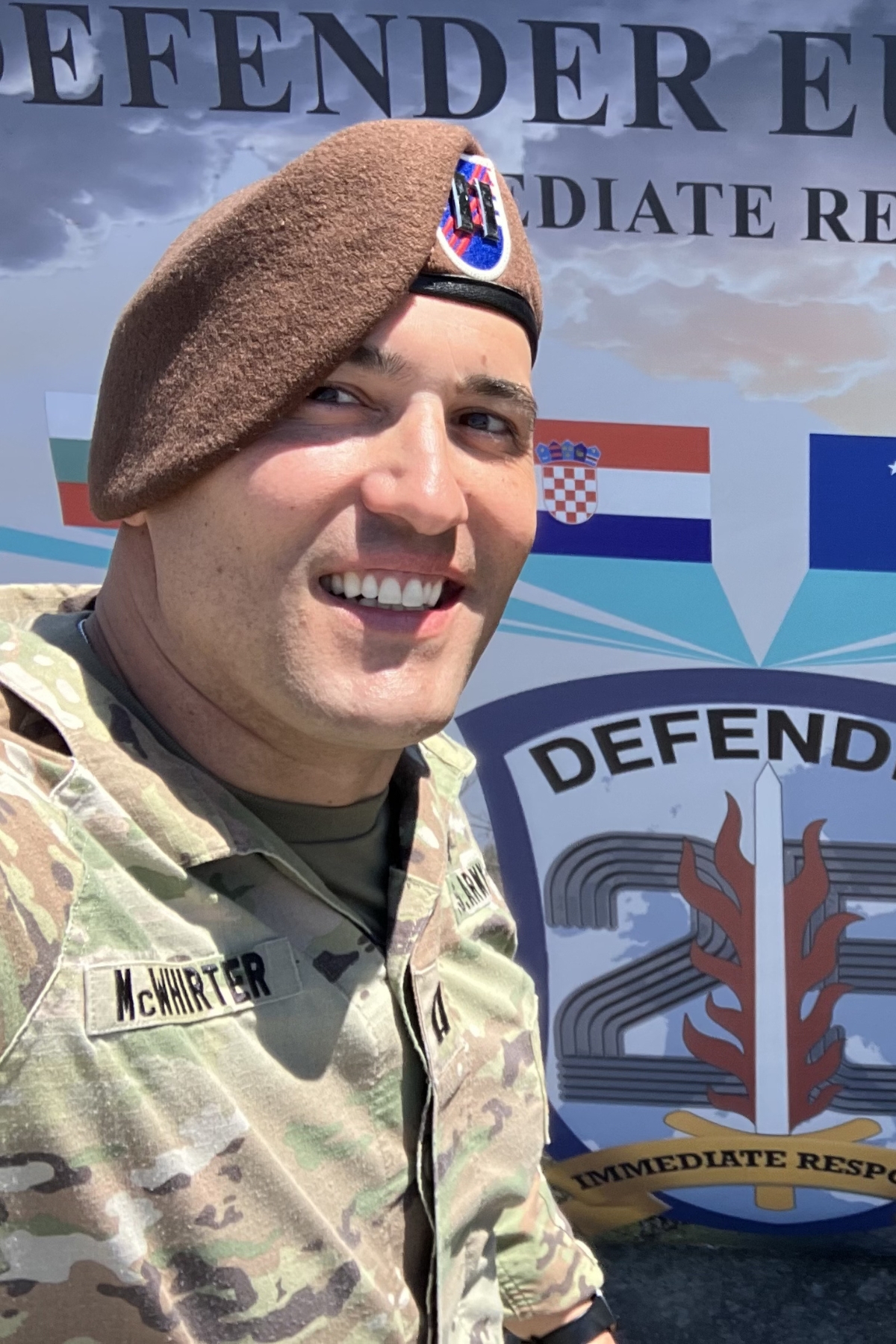
Shortly after graduating, I entered the Army, where fitness wasn’t optional—it was mission-critical. Cardiorespiratory fitness was woven into daily life and professional expectations. Your heart health directly affected your ability to do your job, support your team, and recover under stress. That mindset stays with you.
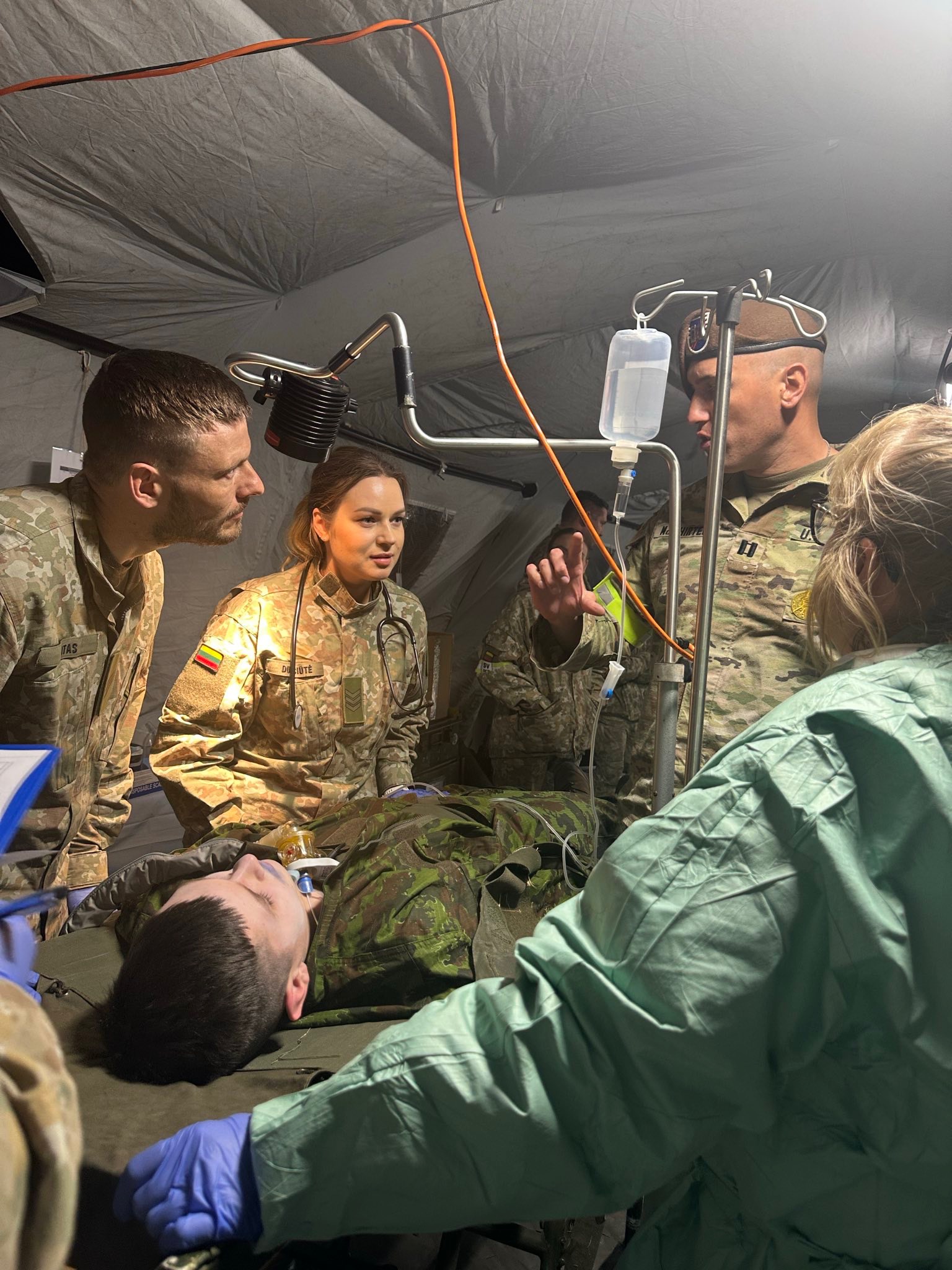
Now, as I prepare for retirement from the Army, I’m reminded that heart health doesn’t stop mattering when the uniform comes off. If anything, it matters more. Maintaining cardiovascular fitness is no longer about passing a test or meeting a standard—it’s about protecting quality of life, independence, and long-term health.
One of the strongest indicators we have for longevity and healthy aging is VO₂ max, which measures how efficiently the body uses oxygen during exertion. Higher VO₂ max levels are consistently associated with lower all-cause mortality, better functional capacity, and improved quality of life as we age. In simple terms, a stronger heart and lungs mean you’re more likely to live longer—and live better.
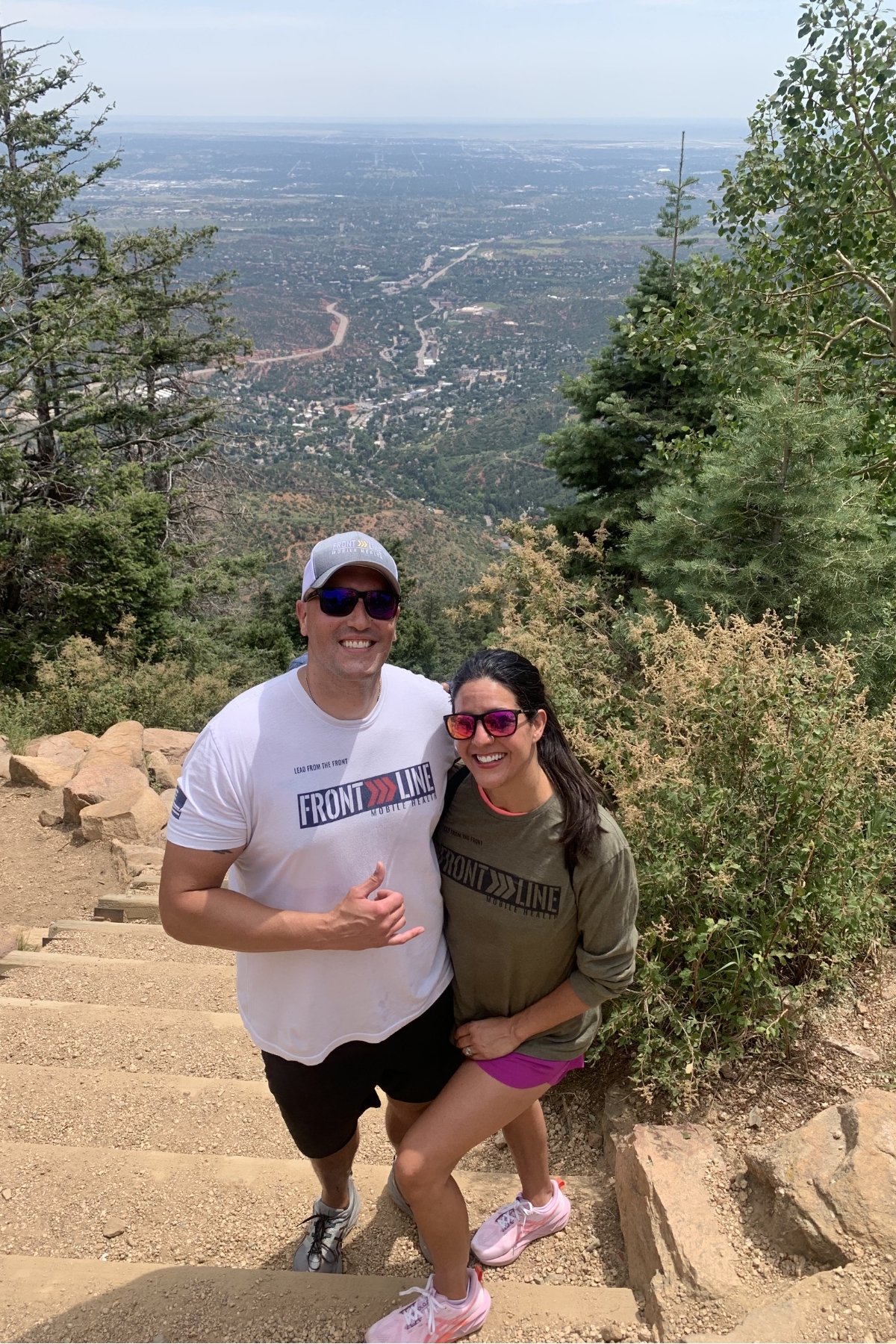
For first responders, improving and maintaining VO₂ max doesn’t mean elite-level training. It means consistent movement, aerobic conditioning, and intentional cardiovascular work that supports recovery, stress tolerance, and long-term health.
This American Heart Month, my message to fellow first responders—active, retired, or transitioning—is simple: your heart has carried you through demanding work and high-stress moments. Taking care of it now is an investment in your future, your family, and the life you want to live beyond the job.
Kelly McWhirter, DMSc, MS, PA-C Staff Provider, Colorado Mobile Team