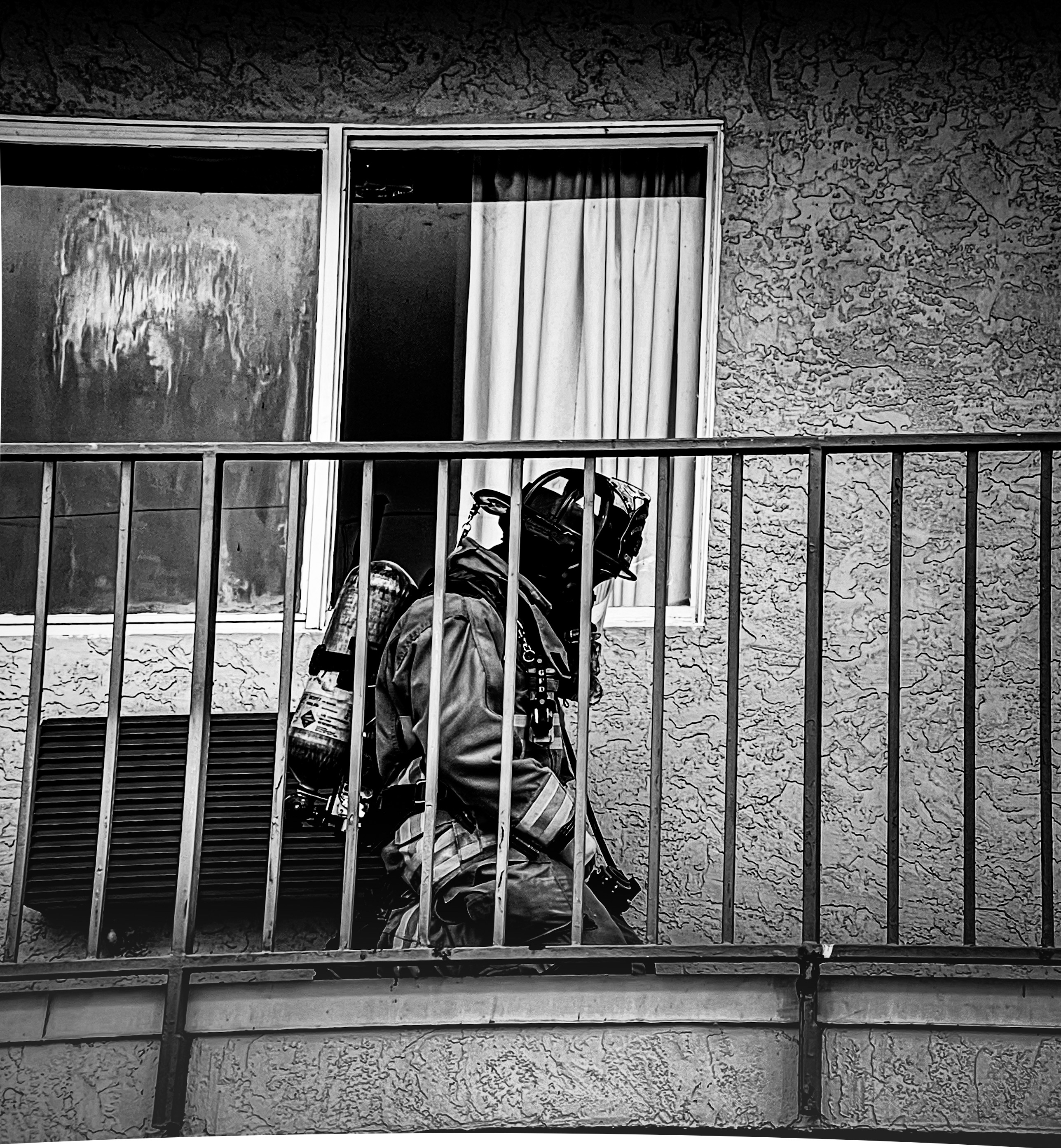
Fire is in the job title, but these days, actually fighting fires is often the rare part of being a firefighter.
Most shifts aren’t spent stretching hose lines or making a push down a smoky hallway. They’re spent answering the calls that make up the bulk of modern fire service work—medical runs, lift assists, wrecks, alarms, welfare checks, and the endless moments where someone just needs help and 911 is the only number they know to dial.
That reality doesn’t make the job any less demanding. In many ways, it makes it more unpredictable—because you can go from routine to life-or-death without warning, and you’re expected to be ready for all of it.
Christmas Eve of 2021 is the perfect snapshot of what the job has become. While most people were thinking about presents under the tree, last-minute errands, and getting home to family, we were doing what firefighters do on most modern shifts: running a medical call. No working fire. No smoke showing. Just a dispatch tone, an address, and the kind of problem that lands on the fire department’s doorstep because we’re the ones who can get there fast and do something about it.
The call came in as “pregnant female, bleeding”—serious, but not the kind of call that sends you flying down the road with lights and sirens. My lieutenant and I were only a few minutes out when dispatch came back over the radio and said the words that change everything: “Be advised, this is now a childbirth.”
The tone in the cab shifted instantly. For me, this would be my third child delivery. For my lieutenant, it would be his first. And as every firefighter knows, no matter how many times you’ve done it, childbirth in the field is never routine.
Our scene size-up was chaos. We pulled up to an apartment complex and found a crowd gathered around an F-150. In the middle of it all, a woman lay supine in the truck bed—clearly in active labor. My lieutenant sent me in to make contact while he grabbed the OB kit. Before I could get more than a few words out, I saw the baby crowning. There was no time to think—only to act.
Two pushes later, that baby entered the world—still enclosed in the amniotic sac. It’s a striking sight, but not, clinically speaking, a perfect delivery. I remember holding the newborn while my Lieutenant, working carefully around the reality of his bear‑sized paws, brought in both index fingers and delicately broke the sac. It may be the gentlest work either of us ever did in uniform.
I always tell people that the three to five seconds you wait for a newborn to cry feel like an entire lifetime. Time stretches, your heart stops, and you suddenly become very aware of every decision you’ve ever made. Then comes that first cry, and just like that, the universe snaps back into place—healthy, breathing, and very much ready to announce their arrival.
One of the most incredible moments of my life happened right there in the bed of a pickup truck on Christmas Eve—because of course it did. We cut the cord, wrapped the newborn up tight, and placed her into her mother’s arms just as the paramedic unit rolled in. The crew hopped out, ready to take over, only to pause, look around, and realize the job was already done. Scene secured. Baby delivered. Christmas miracle achieved.
The satisfaction in that moment was completely off the charts (if you know, you know). Exhausting, surreal, and unforgettable—definitely not how I imagined spending Christmas Eve, but I wouldn’t trade that memory for anything.
What the Fire Service Gives You—and What It Asks of You
Calls like that one taught me something important: the job is never just about the emergencies. It means helping people during their most vulnerable moments, whether they’re tragic or miraculous, and doing your best to support them.
Firefighting shapes you in ways you don’t fully understand until years later. It teaches you discipline, humility, and how to stay calm when the world around you is anything but. It teaches you to trust your training, trust your instincts, and trust the person standing next to you.
And above all, it teaches you the meaning of service.
The Brotherhood and Sisterhood That Carry You Through
Every firefighter knows the job is built on the strength of the crew. You learn to read each other’s faces after a tough call. You learn to laugh together at 2 a.m. when exhaustion makes everything funny. You learn to sit quietly together when a call hits harder than expected.
Those bonds don’t fade when you leave the service. They become part of who you are.
The Weight Firefighters Carry—Often Quietly
The public sees the heroism, the gear, the trucks, the flames. What they don’t always see is the emotional weight firefighters carry:
• The calls that stay with you long after shift change
• The holidays and milestones missed
• The physical toll of years of hard work
• The mental toll of witnessing the worst moments of people’s lives
And yet, firefighters show up—every shift, every call—because that’s what the job demands and because that’s who they are.
A Message to Those Still Serving
To every firefighter—career, volunteer, wildland, structural, rural, urban—you are the backbone of your communities.
You are the steady hands in chaos.
You are the calm voice in someone’s darkest moment.
You are the ones who run toward what everyone else runs away from.
You may not seek recognition, but you deserve it. You deserve to be honored for the courage you show, the sacrifices you make, and the heart you bring to every call.
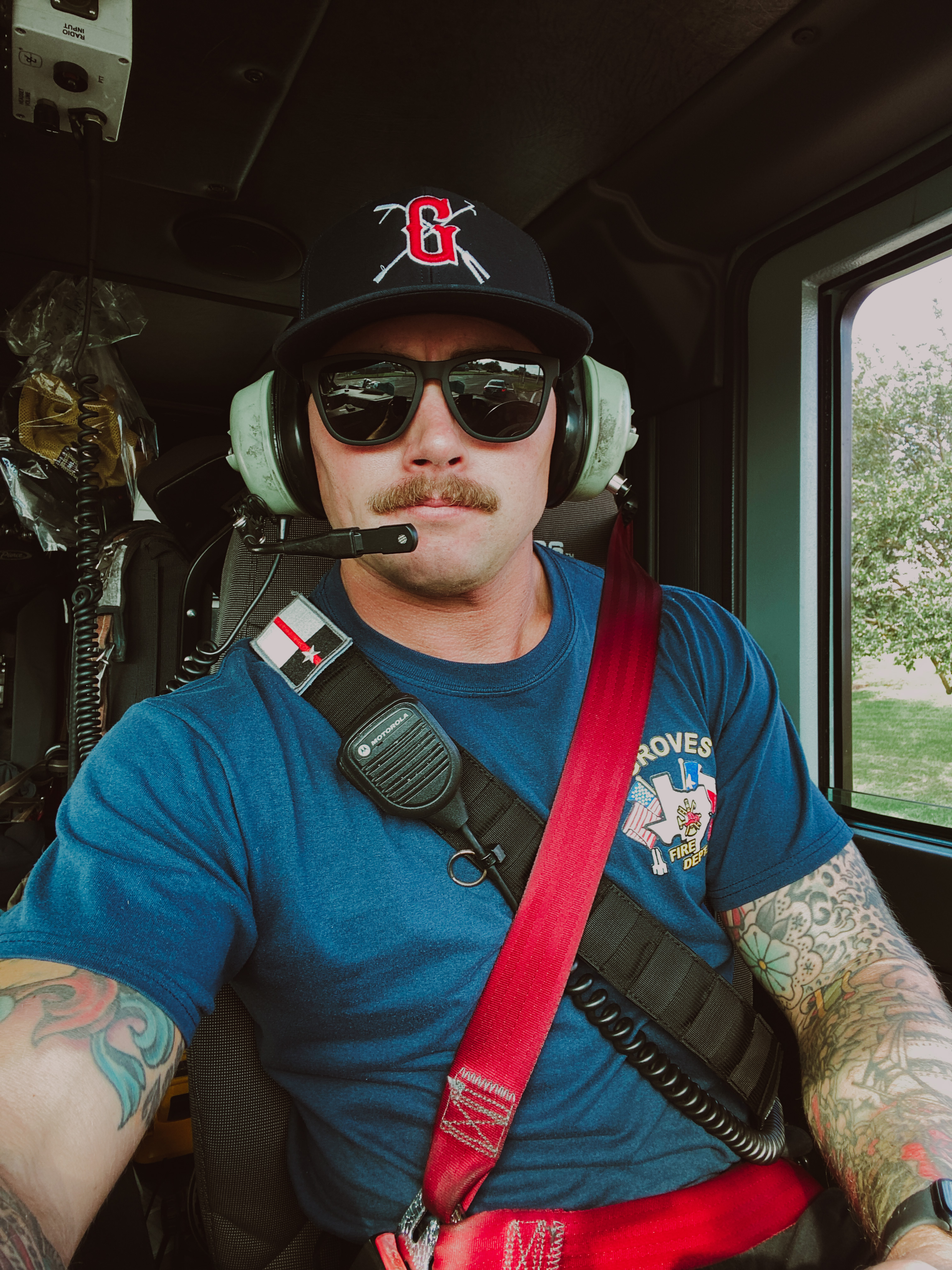
As a former firefighter, I carry deep respect for the work you do. The fire service shaped me, challenged me, and gave me some of the most meaningful moments of my life—including a Christmas Eve delivery in the back of an F-150 that I’ll never forget.
It is all of this that drives the work we do at Front Line Mobile Health. Our mission isn’t just to make sure firefighters can do the job—and do it well today—but that they can sustain a full career and actually enjoy the retirement they’ve earned. Firefighters face three threats that end more lives than flames ever will: cardiac events, cancer, and suicide. We are intent on attacking all three by prioritizing early detection, proactive health monitoring, and a culture that treats physical and mental wellness as operational readiness—not an afterthought. If we can help firefighters stay healthier, stay on the job longer, and walk into retirement with their health intact, then we’re not just supporting the fire service—we’re helping revolutionize it.
Today, We Honor You
International Firefighters’ Day is a reminder of the bravery, resilience, and humanity that define this profession. It’s a day to pause, reflect, and say thank you.
To those still on the line: stay safe, take care of each other, and know that your service matters more than you may ever fully realize.
Cody Woodward, Deputy Chief of Operations, Front Line Mobile Health