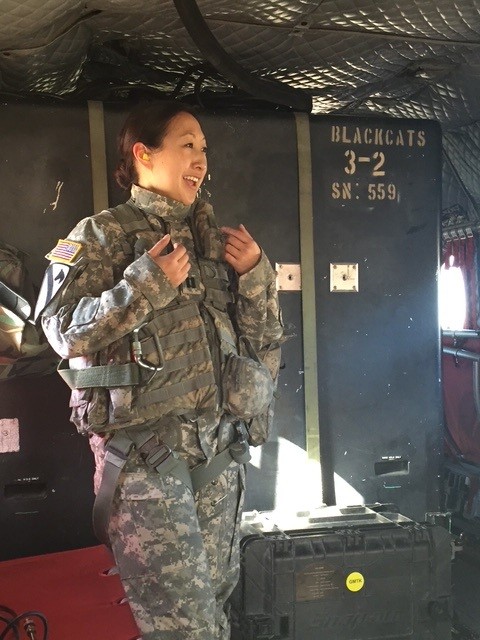
 I’m Rebecca Blood, joining the team after 20 combined years of Army and Air Force experience. I’m a forensic and clinical psychologist and have served in a number of different roles within the Army to include working as an aviation psychologist, teaching at one of the military training academies, running a behavioral health department, and serving as an expert consultant and expert witness in multiple courts martial. I have fairly extensive experience with leadership consultation, fitness for duty assessments, high stakes psychological assessment for security clearance issues and specialized assessment and selection. I am excited to join the Front Line team and look forward to working with you all.
Cancer and behavioral health are tightly intertwined – mental health factors can certainly influence coping, treatment adherence, symptom burden, and overall quality of life. The name for this field is psycho-oncology, which examines the integration of behavioral health into cancer prevention, treatment, survivorship, and end-of-life care.
As you probably know, receiving a cancer diagnosis can trigger a cascade of different reactions, to include acute distress, difficulty adjusting, anxiety, depression, and sleep disruption. Experiencing depressive and anxiety symptoms may reduce a patient’s appointment attendance, medication adherence, or willingness to pursue additional treatment. It may also stifle a patient’s ability to self-advocate, due to increased fatigue and a lack of motivation. Further, experiencing psychological symptoms can affect a patient’s ability to tolerate pain, fatigue, nausea, and cognitive complaints.
There is strong evidence that psychosocial interventions can improve well-being and quality of life, both during and after cancer treatment. These interventions could include Cognitive Behavioral Therapy for anxiety or depression, mindfulness-based programs, meaning-centered or existential psychotherapy, psychoeducation and supportive counseling, or structured caregiver interventions. Best practice is integrating cancer treatment and behavioral health care, with routine distress screening, risk assessment, and evidence-based psycho-oncology services.
Rebecca Blood, PhD
Director of Human Performance & Clinical/Forensic Psychologist