Building a Program for Firefighter Readiness and Wellness
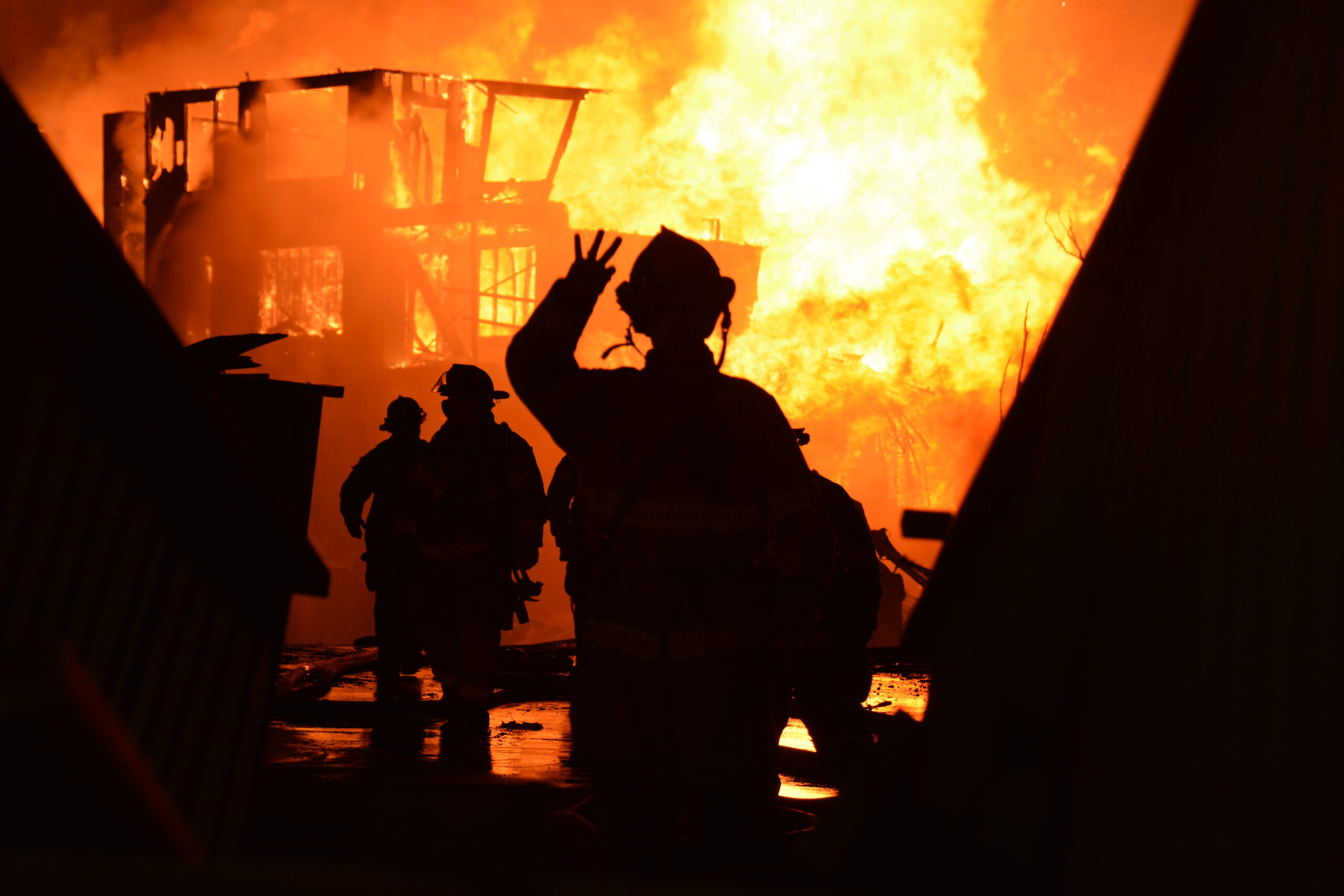 The Mission
Our mission is simple but urgent: to change the landscape of public safety health and wellness through legislative efforts, strategic partnerships, and academic research. We want firefighters to live long enough to drain their pensions and that should be every Fire Chief’s goal. You owe it to your people.
Why Every Department Needs a Comprehensive Program
A true readiness and wellness program is built on three pillars:
1. Address the “Big Three” – Cancer, Cardiovascular Disease, and Suicide
2. Ensure Operational Readiness
3. Protect Your Investment
The Big Three
We know that the three leading causes of death in the American Fire Service are cancer, cardiovascular disease, and suicide. According to the IAFF and the Firefighter Cancer Support Network, cancer accounts for about 72 percent of all IAFF member line-of-duty deaths. 1 The U.S. Fire Administration reports that roughly 50 percent of annual on-duty deaths are cardiac-related. 2 In 2024, the Firefighter Behavioral Health Alliance recorded 112 suicides, including 94 firefighters. Their estimates suggest that number is underreported by as much as 40 percent. 3 It doesn’t matter which statistics you use or how you rank them. All three are taking firefighters from us at alarming rates. What matters is how you respond. As Fire Chiefs, your response must be aggressive and proactive. You must implement programs that provide early screening, comprehensive evaluations, and timely intervention for all three. Because the truth is simple: these aren’t just statistics. They are your people, and they deserve better.
Ensure Operational Readiness
Your program must work to strengthen operational readiness. When your people are sick or injured, overtime costs, workers’ comp claims, and healthcare expenses rise while morale falls. With tightening budgets, economic pressures, and the constant push to reduce government spending, every dollar you save matters. There’s some good news: when you invest in a comprehensive program, those savings don’t just disappear. You can reinvest them back into the programs that make your organization stronger. Operational readiness is not just training personnel, managing emergencies, and putting out fires. It is managing the operational readiness of the people who respond to them in the same manner as you manage your apparatus and equipment.
Protect Your Investment
If you address the Big Three and strengthen your operational readiness, you’re ultimately protecting your most valuable resource which is your people. Without your people, there is no service. I know they need apparatus, equipment, and gear to do their job. But let’s be honest, none of that matters without the men and women who wear the uniform. A tenured firefighter represents years of development, thousands of hours of training, and irreplaceable institutional knowledge. As Chiefs, you already know hiring, training, and retaining skilled professionals is both time-consuming and expensive. Protect your people and you protect your purpose.
Building the Program
Three core assessments form the foundation of a readiness and wellness program. You must implement Medical Evaluations, Job Task Performance Assessments, and Annual Fitness Assessments. Together, these form the foundation for addressing the three pillars of a comprehensive program.
Medical Evaluations- Cardiopulmonary
To truly assess cardiopulmonary risk, you need a cardiopulmonary exercise test (CPET). CPET directly measures how your heart, lungs, and muscles perform together under stress. CPET gives you an important number called VO₂ max. VO2 max is your body’s capacity to use oxygen during peak performance, and it matters that you measure it directly. Indirect methods aren’t reliable. The WFI Gerkin protocol has been shown to overestimate VO2 max by as much as 11 percent on average and as much as 30 percent in less fit obese personnel.4 Clearing personnel based on estimates invites unacceptable risk. That is why CPET is the gold standard and is used by the Mayo Clinic, the NFL Combine, and top research institutions around the world.
A Mayo Clinic study followed more than 13,000 people in the general population over a ten-year period. The findings were clear: individuals with lower aerobic capacity had a significantly higher risk of both cardiovascular and non-cardiovascular death. What the Mayo Clinic study tells us is, all other factors aside, poor aerobic fitness is linked to dying sooner from almost any other cause, not just heart disease. Put simply, the single best thing you can do to live longer is to increase your aerobic capacity.5 Several other studies have shown that improving your VO₂ max by just 3.5 points or 1 MET decreases your all-cause mortality risk by as much as 10-15 percent.6,7
But VO₂ max doesn’t tell the whole story. You need a comprehensive blood panel checking A1c, testosterone for men, and specific panels that test estrogen and progesterone for women. You need a full lipid profile, and tests for apolipoprotein B and lipoprotein(a), both strong markers for cardiovascular risk. Measure both body composition and waist size, as these measurements are critical indicators of cardiac and metabolic health. All these tests combined give you a complete picture of a firefighter’s cardiopulmonary health risk.
Medical Evaluations- Cancer
To identify cancer risks, start with ultrasound imaging from the neck to testicles for men, and from neck to ovaries for women. This gives a detailed look at the soft organs and can catch early signs that might otherwise be missed. A chest X-ray is needed. In the mobile screening environment, it is the most practical and effective tool for identifying lung cancer. Add to the blood panel a PSA test for men to screen for prostate cancer and a CA-125 test for women to assess ovarian cancer risk. These tests create a strong foundation for early detection, helping identify cancer risks before they become life-threatening.
Medical Evaluations- Mental Health
To properly evaluate mental health, make sure your provider uses industry-standard, comprehensive assessments. These assessments should measure alcohol use, anxiety, burnout, compassion fatigue, depression, sleep quality, social support, and stress both secondary and traumatic. Each of these factors plays a significant role in a firefighter’s overall health and wellness. Never forget that mental health is physical health.
Job Task Performance Assessments
When it comes to job task performance assessments, the criteria must be occupationally relevant and legally defensible. Test the specific skills required for each position: firefighter, driver engineer, lieutenant, captain, and chief officer. Start with your job descriptions or with the 15 job tasks in NFPA 1580. If your state regulatory agency provides skill sheets or certification standards, use those. You must assess job performance annually. It is the only way to ensure your members remain proficient.
Annual Fitness Assessments
Once cleared medically, personnel should undergo annual fitness testing. Include aerobic, strength, and power components such as air consumption drills, a 2,000-meter row, the 2-kilometer bike ergometer test or the well-rounded Firefighter Physical Fitness Test (deadlifts, push-ups, sprint-drag-carry, plank, and 1.5-mile run).8 If needed, substitute the 1.5-mile run for any of the other aerobic capacity tests. This gives the firefighter and the department the flexibility to choose the option that best fits their needs. The goal: test annually and keep firefighters fit.
Remember, medical readiness does not equal operational readiness. True readiness and wellness are achieved only when all three assessments work together to evaluate, sustain, and strengthen your department’s overall performance.
The Future: Integration and Innovation
Predictive Analytics and Artificial Intelligence –
Predictive analytics and AI are coming. Imagine a system that pulls in data from CAD, RMS, and wearable technology that measures things like heart rate variability, recovery, and sleep. Then it overlays that data with individual health metrics to predict in real time, right on a dashboard a firefighter’s risk of injury, fatigue, cardiac strain, or mental health concerns. That’s not science fiction and it’s closer than you think.
Longitudinal Tracking –
Longitudinal health tracking powered by AI will reveal health trends, guide interventions, and build personalized wellness roadmaps. The result? A complete picture of health for every firefighter from hire to retirement.
Direct Access Care Models –
Finally, direct access care models designed to offer a complete system of care. Access to care is immediate, on-demand, proactive, and streamlined. Costs are predictable through capitated rates. Coordination with the department is data-driven and integrated. The firefighter experience is efficient, supportive, and built for real results.
Closing Thought
A comprehensive readiness and wellness program is not a luxury, it’s a necessity. It saves lives, strengthens operations, and honors the personnel who dedicate their lives to service. The fire service has always answered every call for help. Now it is time to answer the call from within and protect those who protect us.
- Firefighter Cancer Support Network. (n.d.). About Cancer Awareness Month. Retrieved October 21, 2025, from https://www.firefightercancersupport.org/firefighter-cancer-awareness-month/about-cancer-awareness-month
- S. Fire Administration. (2024). Firefighter Health and Wellness Workgroup Report – National Fire Service Research Agenda Summit 2024. U.S. Department of Homeland Security. https://www.usfa.fema.gov/downloads/pdf/summit/2024/2024-summit-health-and-wellness-workgroup-report.pdf
- Dachinger, D. (2025, April 15). The impact of retirement on firefighter mental health and suicide. Firefighter Nation. https://www.firefighternation.com/health-wellness/firefighter-mental-health/the-impact-of-retirement-on-firefighter-mental-health-and-suicide
- Dolezal, B. A., Barr, D., Boland, D. M., Smith, D. L., & Cooper, C. B. (2015). Validation of the firefighter WFI treadmill protocol for predicting VO₂max. Occupational Medicine (London), 65(2), 143–146. https://doi.org/10.1093/occmed/kqu189
- Kitzman, D. W., Arena, R., Borlaug, B. A., et al. (2023). CPET prediction of cardiovascular versus non-cardiovascular outcomes. Mayo Clinic Proceedings, 98(9), 1297–1309. https://doi.org/10.1016/j.mayocp.2023.05.029
- Blair, S. N., Kohl, H. W., Paffenbarger, R. S. Jr., Clark, D. G., Cooper, K. H., & Gibbons, L. W. (1989). Physical fitness and all-cause mortality: A prospective study of healthy men and women. JAMA, 262(17), 2395–2401. https://doi.org/10.1001/jama.1989.03430170057028
- Gulati, M., Black, H. R., Shaw, L. J., Arnsdorf, M. F., Merz, C. N. B., Lauer, M. S., Marwick, T. H., Pandey, D. K., Wicklund, R. H., & Thisted, R. A. (2003). The prognostic value of a nomogram for exercise capacity in women. Circulation, 108(12), 1554–1559. https://doi.org/10.1161/01.CIR.0000091080.57509.0A
- Haskins, E. (2025, August 29). Raising the standard: The firefighter physical fitness test. Firefighter Nation. https://www.firefighternation.com/features/raising-the-standard-the-firefighter-physical-fitness-test/?utm_source=ffn_now_newsletter&utm_medium=email&utm_campaign=2025-9-22
John Sherwood, M.S., CFE, FSCEO Chief of Staff, Front Line Mobile Health