
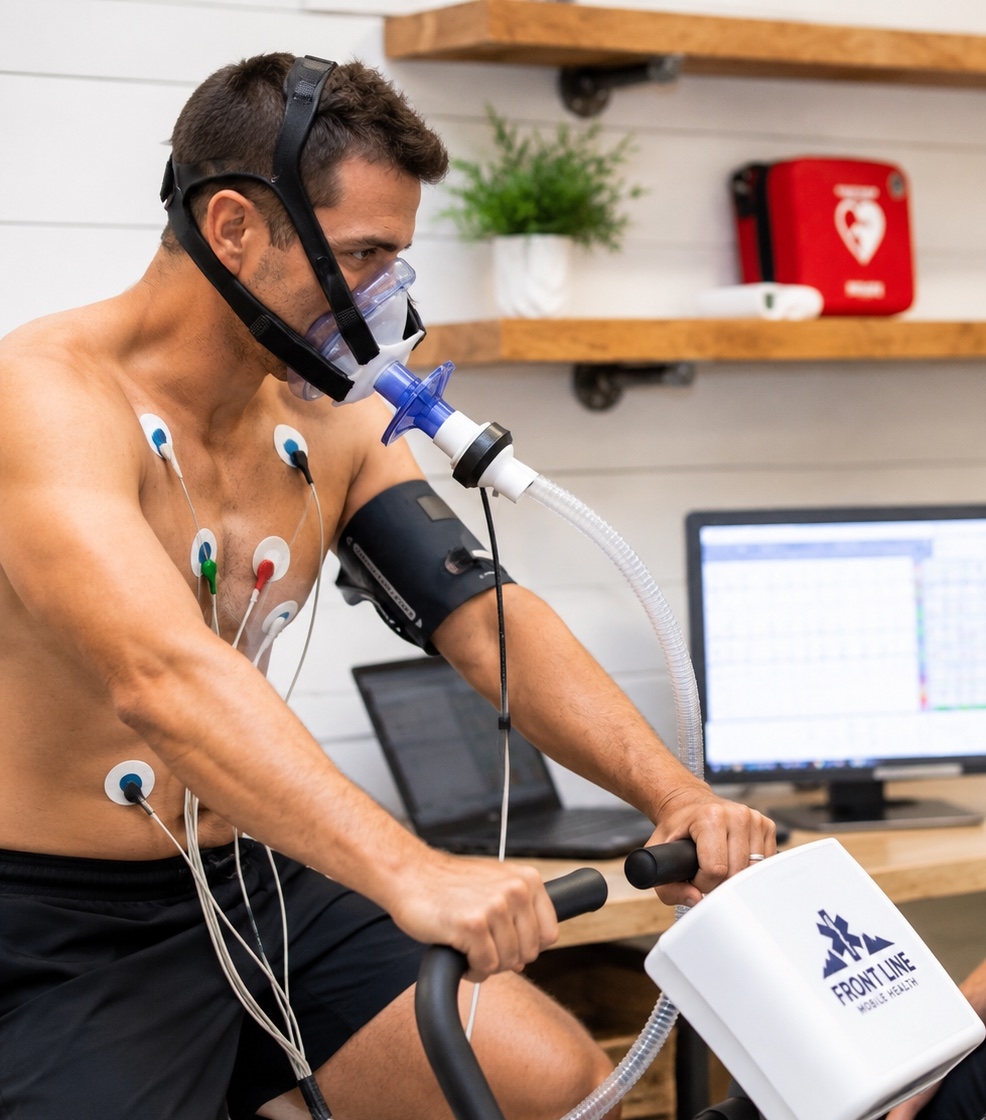
 Annual physicals provide a unique view into the health of our first responders.
Most firefighters, law enforcement officers, and EMS professionals do not arrive because they feel sick. They are working, answering calls, exercising, and performing the job. Many consider themselves healthy because they remain capable of doing what is required of them.
The physical often tells a more complicated story.
Across aggregated clinic data from thousands of public-safety professionals, several findings appear repeatedly. Elevated blood pressure, abnormal cholesterol, excess body fat, reduced aerobic capacity, poor sleep, and behavioral-health concerns are common. More importantly, these findings rarely occur by themselves.
They tend to stack across populations, regardless of geographic location. Throughout multiple states and hundreds of departments, we continue to see many of the same problems.
Blood pressure remains one of the most common findings
Elevated blood pressure is the most frequent abnormality identified during annual physicals.
Aggregated clinic data from hundreds of departments across 11 states reveals a concerning trend: more than 50% of first responders have blood pressure readings consistent with hypertension. Even more alarming, some arrive for routine physicals with blood pressure in a critical range, despite feeling completely normal and reporting no symptoms.
That is part of the problem with hypertension. Most people do not feel it.
A first responder may complete a shift, work out, and perform demanding occupational tasks while elevated blood pressure continues to affect the heart, kidneys, blood vessels, and brain.
One abnormal reading does not automatically establish a diagnosis. Caffeine, nicotine, pain, stress, poor sleep, and rushing into the appointment can all increase blood pressure. However, an elevated reading should lead to a repeat measurement after proper rest, home monitoring, or follow-up with a healthcare professional.
It should not be dismissed simply because the individual feels fine. Unfortunately, it is also a year-over-year problem for many patients.
Cardiovascular risk is usually more than one number
Elevated blood pressure is often accompanied by other findings.
More than two-thirds of firefighters in aggregated clinic data demonstrate some form of dyslipidemia. This may include elevated LDL cholesterol, high triglycerides, low HDL cholesterol, or a combination of abnormalities.
Individually, each result may appear manageable. Together, elevated blood pressure, abnormal cholesterol, poor glucose regulation, excess body fat, and reduced aerobic fitness can represent a meaningful cardiovascular risk profile.
Approximately 27% of the population also meets criteria for prediabetes or diabetes. Elevated blood glucose contributes to inflammation and damage within the blood vessels, creating an environment where cardiovascular disease can develop and progress.
This is especially important in public safety because emergency response creates an immediate increase in cardiovascular demand. Heart rate, blood pressure, and stress hormones rise quickly. Heavy equipment, heat, dehydration, interrupted sleep, and physical exertion add to that demand.
The emergency may last only a few minutes. The underlying cardiovascular disease may have been developing for years.
Excess weight and obesity remain common
Body composition should also be evaluated honestly.
Approximately 46% of the public-safety population is classified as overweight, while another 40% meets criteria for obesity. Other comparisons of firefighters and law enforcement officers have found that more than 90% of the combined population is overweight or obese.
First responders often point out that BMI can misclassify muscular individuals. That concern is reasonable, but research in firefighters has shown that BMI is more likely to miss excess body fat than incorrectly classify a muscular firefighter as obese.
BMI should not be used alone. Waist circumference, body-fat percentage, visceral fat, laboratory values, and aerobic capacity provide a clearer picture.
As body fat and visceral fat increase, blood pressure, glucose regulation, cholesterol, and aerobic capacity generally worsen.
Cardiorespiratory fitness appears to provide some protection
Higher aerobic capacity is consistently associated with a more favorable cardiovascular and metabolic profile.
First responders with better aerobic fitness generally have lower body-fat percentages, less visceral fat, smaller waist measurements, and more favorable cholesterol and insulin markers. Fitness does not remove occupational exposures, but it appears to provide additional physiological reserve.
That reserve matters.
The cardiovascular demands of an emergency response are not adjusted for age, sleep, body composition, or years of service. The job still requires the work to be completed.
An annual physical should therefore evaluate more than whether someone is free of known disease. It should also consider whether the individual has the capacity to tolerate the predictable demands of the occupation.
Sleep may be the most overlooked finding
More than 40% of public-safety professionals in aggregated clinic screening report some degree of clinically relevant insomnia. A significant number screen at a moderate or severe level.
Poor sleep affects far more than fatigue. It can worsen blood pressure, appetite, glucose control, recovery, concentration, mood, and reaction time. It is also associated with anxiety, depression, alcohol misuse, burnout, and traumatic stress.
“Just sleep more” isn’t practical advice for most first responders. Rotating schedules, interrupted sleep from emergency calls, overtime, and the challenge of sleeping during the day to recover often make quality rest nearly impossible.
Persistent insomnia, excessive daytime sleepiness, snoring, witnessed apneas, or difficulty recovering between shifts should lead to a more complete evaluation. Sleep apnea, shift-work disorder, behavioral-health concerns, alcohol use, caffeine use, and the individual’s schedule may all need to be considered.
The physical should lead to a plan
An annual physical is more than a requirement completed once a year.
Abnormal findings should lead to clear next steps. The individual should understand what was found, what needs to be repeated, what requires referral, and when a follow-up should occur.
General advice is rarely enough. Telling someone to lose weight, reduce stress, exercise more, or sleep better does not provide a plan.
Annual surveillance provides early recognition – an opportunity to address hypertension, dyslipidemia, obesity, poor aerobic fitness, sleep disorders, and behavioral-health concerns before they contribute to an emergency, disability, or shortened career.
First responders spend their careers responding after something has gone wrong. The annual physical gives us the opportunity to act earlier.
Mike Conner, DMSc, APA-C, CEO, Front Line Mobile Health